

French – English

Mikito Ichikawa (Photo credits: Nico Datiche)
The MO5.COM association has the great pleasure of announcing that Mikito Ichikawa, founder of M.N.M Software / Mindware, has just joined the association as an honorary member.
He considers our initiative necessary and welcome, and offers us his support by agreeing to become an honorary member of the association. There is no doubt that the support of such a personality from the world of video games will help us to make ourselves known and develop.
Born on March 6, 1971 in Tokyo, Mikito Ichikawa aka Micky G. Albert began to be interested in computers at a very young age, initially to carry out aerodynamic calculations! It was by discovering games like Dig Dug (1982) that he began to want to create them for his classmates, first on a clone of Sharp MZ-80 customized by him, then on an MZ-700 that he bought after winning a programming competition. Not being good at studies, he was hired at the age of fourteen by Nihon Falcom where he worked part-time, then two years later at Dempa Micomsoft via an agreement allowing him to continue high school, where he met Yūzō Koshiro and founded, at the age of sixteen, his own company M.N.M Software in 1987. This continued to create games for Dempa then signed a contract with the Japanese branch of Brøderbund, for which she adapted titles like Shufflepuck Cafe (1988) or Prince of Persia (1989) on Japanese microphones. The studio also developed its own games such as Star Mobile (1991), Gage (1992) and Star Wars: Attack on the Death Star (1991), a 3D wire-frame shooter in which you can change cameras. This functionality will also allow Mikito Ichikawa to testify in the context of a legal conflict between SEGA, which had wrongly filed the patent for Virtua Racing (1992), and other developers. The company also creates sound tools for Master System, Game Gear and Mega Drive games, including those from Koshiro's Ancient studio, such as Streets of Rage 2 (1992) for which Ichikawa also participated in the game design. The following year, he supervised Slap Fight MD, the port of a 1986 shoot 'em up from Toaplan, which included as a bonus a true reinvention of the game. But Ichikawa then fell seriously ill and had to close M.N.M Software. Getting back on his feet in 1995, he founded Mindware, a new studio shared between the creation of video games and pinball machines. In addition to middleware tools for other companies, he has designed very original titles like MaBoShi (2008), Flametail / Trailblaze (2010), Chain Crusher (2011), Super Chain Crusher Horizon (2014) and Cosmic Snake (2018), while rediscovering forgotten classics of Japanese video games via remakes of Cosmic Cavern (1980), Space Mouse (1981) or even Heiankyō Alien (1979).
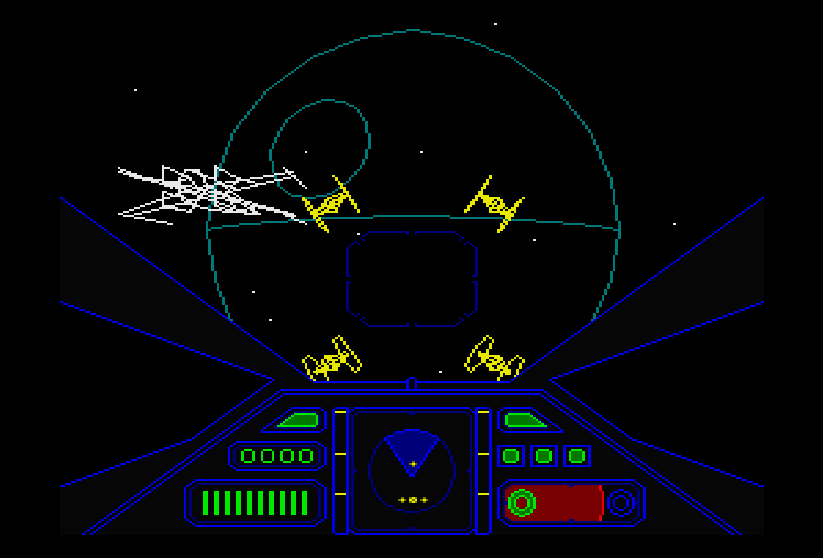
Star Wars: Attack on the Death Star (X68000, 1991)
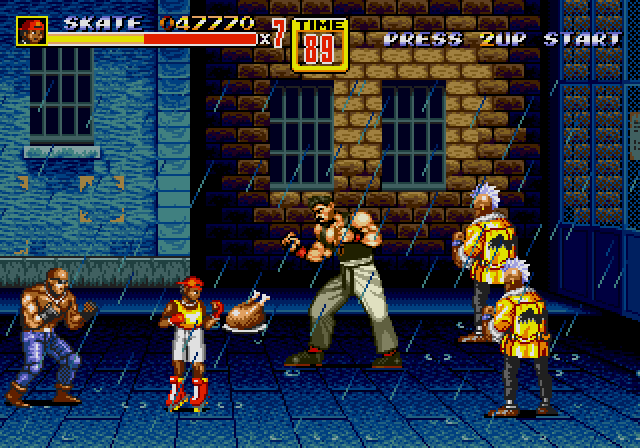
Streets of Rage 2 (Mega Drive, 1992)
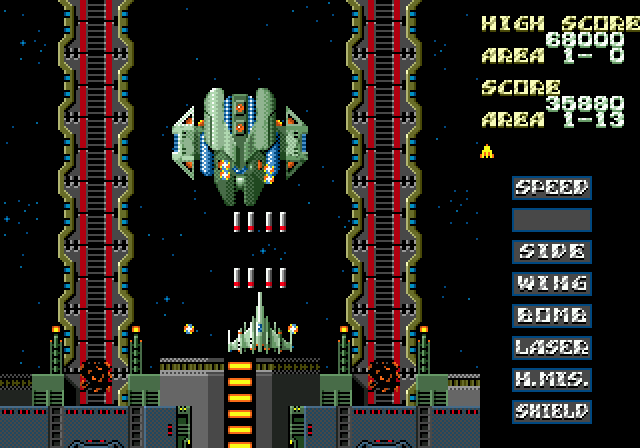
Slap Fight MD (Mega Drive, 1993)
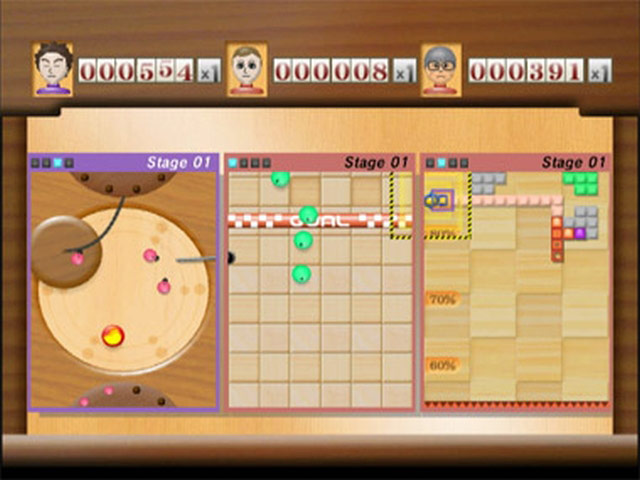
MaBoShi: Arcade of Three Shapes (Wii, 2008)
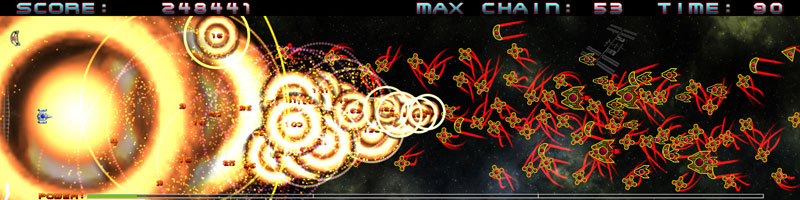
Super Chain Crusher Horizon (Windows, 2014)
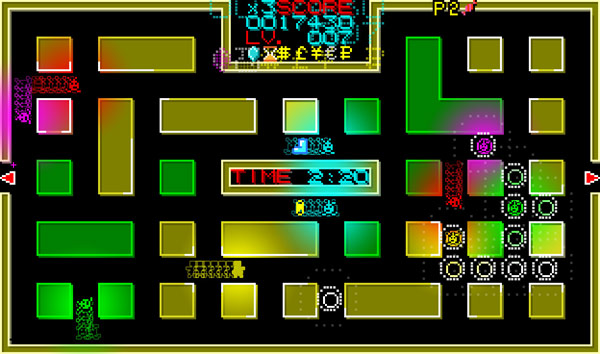
Heiankyō Alien (Windows, 2017)
Important!
MO5.COM would like to thank John Szczepaniak, the author of the three volumes of The Untold History of Japanese Game Developers, for helping him in his efforts.
And you, why not become a member of MO5.COM too?